
Blinds, Curtain & Shade Installation in Toronto & the GTA
We measure, mount and level blinds, shades, curtain rods and drapery hardware — including tricky wide or bay windows — and handle minor window fixes like sticking sashes and worn weatherstripping so everything opens, closes and hangs right.
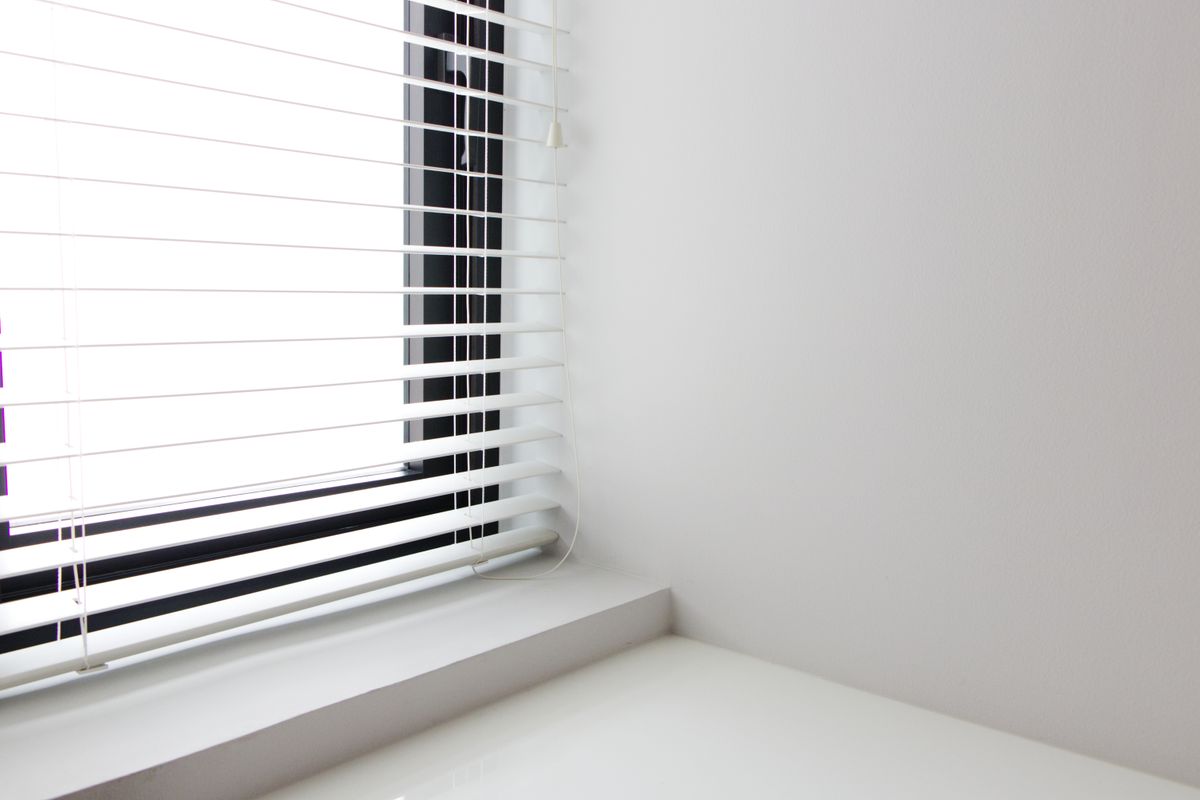
FixitPlus measures and installs blinds, shades, curtain rods and drapery hardware across Toronto and the GTA, including wide and bay windows, and handles minor window fixes such as sticking sashes and worn weatherstripping.
Window treatments are one of those finishing touches that look effortless when they’re done right and glaringly off when they’re not — a blind that hangs crooked, a curtain rod pulling out of the drywall, panels at two different heights, or a shade that binds when you try to raise it. FixitPlus measures, mounts and levels blinds, shades, curtains and drapery hardware so everything hangs straight, operates smoothly and frames your windows the way it was meant to. We also handle the minor window fixes that keep them working.
We install the full range of treatments: horizontal and vertical blinds, roller and roman shades, cellular and honeycomb shades, curtain and drapery rods, valances, and the tricky ones — wide windows that need centre support, bay windows with multiple angles, and tall or hard-to-reach windows. Getting them right means precise measuring, mounting into studs or with the correct anchors, and levelling carefully so multiple windows in a room line up with each other, not just each on its own.
Beyond hanging treatments, we take care of minor window repairs and adjustments: sticking or painted-shut sashes freed and made operable again, worn weatherstripping replaced to cut drafts, sash locks and hardware repaired or replaced, and stops and balances adjusted so windows open and stay open safely. These are the small fixes that make an older window feel serviceable again without the cost of replacement — and we’ll tell you honestly when a window really is past repair.
The details are what separate a clean install from an amateur one, and they’re exactly what we obsess over: brackets anchored solidly so nothing sags over time, treatments mounted at a consistent height across a room, hardware centred and square, and everything tested so it raises, lowers, opens and closes the way it should before we leave. Hand us a houseful of new blinds or a single stubborn window, and you’ll get a result that looks and works like it was professionally fitted.
What a blinds, curtains & windows visit covers
Window treatment and repair work we handle:
What decides whether a blind, shade or drapery rod hangs right — before anything is drilled
Blinds installation rarely goes wrong at the hanging stage. It goes wrong in the measuring and the fixing: the depth of the opening, what the brackets actually go into, and how much weight the hardware carries over what span. Here is what we check on every visit, from a single roller shade to a houseful of motorized blinds.
Window depth and what sits inside it
An inside mount needs a recess deep enough for the headrail, and a fully flush look needs more depth than the minimum a manufacturer lists. Casement windows add a catch: the crank handle and operator cover project into that recess, and a blind that clears them on paper can still snag the handle every time it is lowered. Tilt-and-turn windows, found in some newer buildings, swing inward and need the treatment to sit clear of the sash altogether. We check the usable depth at its shallowest point and note every obstruction before you order.
Measuring tolerances: let the factory deduct once
Most manufacturers take a small deduction off an inside-mount width so the blind clears the frame. Order a blind that you have already deducted and it arrives short, with a strip of light down each side. We give the factory the exact opening to the nearest 1/8 inch and let them make their deduction once. We also compare the diagonals. If they differ noticeably, the opening is out of square and an inside mount will show a tapering gap, which an outside mount with overlap on each side hides.
Condos: concrete window heads and drywall bulkheads
In many Toronto condos the only structure above the glass is the concrete slab or a concrete beam, sometimes boxed in by a drywall bulkhead. A plastic anchor in that drywall will not hold a shade, never mind lined drapery, so the fixings have to reach the concrete. That means a hammer drill, rated concrete screws or sleeve anchors, and shallow holes placed with care, because rebar and embedded conduit run through the slab. If the bit meets steel, we move the bracket rather than force it. Many buildings restrict drilling hours, and some want notice before owners drill into the slab, so check your rules first.
Older homes: plaster returns and solid brick
Older Toronto houses often have deep plaster returns around the windows, and the plaster near the edge of a return is brittle — a bracket drilled close to the corner can knock out a chunk you will notice for years. We drill plaster without the hammer action, keep fixings back from the edge or move them onto the wood casing or header, and choose anchors for whatever sits behind the plaster. On the outside walls of many solid-brick, pre-war houses that is brick rather than wood lath, which calls for masonry fixings, not drywall anchors.
Heavy drapery and wide spans
Lined and interlined drapery weighs more than it looks, and the load on the hardware jumps when the panels are pulled along the rod. Most rods want a centre support once the span passes about 1.2 m, and long runs need one at whatever interval the rod’s instructions specify; leave it out and the rod bows until the rings bind. Across a wide window wall or a corner window, a ceiling-mounted track fixed into joists or concrete carries the weight better than a rod and lets the panels stack clear of the glass. In wood-frame houses, we fix rod brackets into the framed header above the opening whenever the bracket can reach it.
Cords, motorized shades and where the power comes from
Health Canada’s corded window covering regulations now strictly limit the cords a child can reach on window coverings sold in Canada, but plenty of homes still have older corded blinds. Where young children live, cordless or motorized replacements are the safest answer; at minimum, continuous-loop cords should run through a tension device fixed to the wall or casing. Motorized shades then raise the power question. Battery, rechargeable and solar-assisted shades need no wiring, although a solar panel on a north-facing window may not keep up in winter. Hardwired motors need a new power supply at the window head, which is work for a licensed electrical contractor. We coordinate with the electrician, mount and program the shades, and patch and paint afterwards.
Signs it is time to call about blinds, curtains & windows
Call us when:
New treatments to hang
Fresh blinds, shades or drapery only look their best mounted level, at a consistent height, and solidly anchored.
A window sticks or won’t open
Painted-shut or binding sashes can usually be freed and made operable again — no replacement needed.
Drafts around the window
Worn weatherstripping lets in cold air and wastes heat; replacing it is quick and pays for itself.
Crooked or sagging blinds
Brackets that were never properly anchored sag over time — we re-mount them so they hang true and stay put.
Why window treatments end up crooked, short or on the floor
- 1Width deducted at home and again at the factory, so a custom inside-mount blind arrives with a visible gap down both sides — and custom orders often cannot be returned.
- 2Heavy blackout drapery on a rod held by plastic drywall anchors, which pull out of the wall the first time someone tugs the panels closed.
- 3A long curtain rod fixed only at its two ends, bowing in the middle until the rings stop sliding.
- 4Plaster knocked off the corner of a window return by a bracket drilled too close to the edge with the hammer setting on.
- 5Solar-charged motorized shades fitted to a shaded or north-facing window, then running flat through the winter.
- 6Continuous-loop cords left hanging free because the tension device that came in the box was never fixed in place.
How we handle blinds, curtains & windows
How an install or repair visit runs:
Measure and mark
We measure carefully and mark mounting points so treatments hang level and multiple windows line up.
Anchor the hardware
We mount into studs or with the correct anchors so brackets and rods carry the load without sagging.
Hang and adjust
We fit the blinds, shades or drapery, set them to a consistent height, and adjust for a clean look.
Test and tidy
We confirm everything raises, lowers and operates smoothly, then clean up and take away packaging.
Blinds, Curtains & Windows in Toronto, York Region, Peel & Durham
Window treatments vary a great deal across the GTA. Toronto condos bring floor-to-ceiling glass, concrete ceilings and window walls with no wall above the frame, so shades and drapery tracks fix into the slab or a bulkhead, often within set drilling hours. Older homes across Toronto bring deep plaster returns, tall sash windows and bay windows with angled corners that need careful bracket placement. Newer two-storey homes in Vaughan, Richmond Hill, Markham and Aurora have great-room and foyer windows set too high to reach comfortably from a stepladder, which is where motorized shades and proper access equipment earn their place. Homes across Peel and Durham, from Mississauga and Brampton to Pickering and Ajax, mix vinyl casements with crank handles and sliding patio doors that suit vertical blinds or panel-track shades.
Not listed? We cover the whole Greater Toronto Area.
Builder brains on every job
Level across the room
We line treatments up with each other, not just individually — the detail that makes a room look finished.
Solidly anchored
Brackets and rods mounted into structure or proper anchors, so nothing sags or pulls loose.
Windows made workable
We free stuck sashes and replace weatherstripping to bring older windows back to life.
Honest on repair vs. replace
We’ll tell you when a window is worth fixing and when it genuinely isn’t.
Blinds, Curtains & Windows pricing — honest and flat-rate
Usually a flat rate by number of windows. Factors include:
What affects the price
How handyman quoting works in general — hourly, flat rate and day blocks compared: How much does a handyman cost in Toronto?
Blinds Installation in Toronto: Inside Mount, Outside Mount or Ceiling Track?
Most window treatments that look slightly off were mounted in the wrong place rather than hung badly. Before any blinds installation or curtain rod installation, a few decisions are worth making with the window in front of you — and the right answer often depends on the age and type of the home. This is how we talk them through with homeowners across Toronto and the GTA.
If one room has a mix of window sizes, we usually recommend one mounting approach for the whole room so the headrails and rods line up, even where an individual window could take either.
Inside mount
The blind sits within the frame for a clean, built-in look. It needs enough depth for the headrail and a reasonably square opening. The deep wood casings in many older Toronto homes suit it well; the shallow drywall returns in many newer homes may not. We measure the width at the top, middle and bottom and order to the narrowest.
Outside mount
The blind is fixed to the wall or casing above the window and covers the frame. It blocks more light at the edges, hides an out-of-square opening, and works where a crank handle or a shallow sill would get in the way.
Curtain rods: high and wide
Setting the rod partway between the top of the frame and the ceiling, and extending it past the frame on each side, lets the panels stack off the glass and makes the window read larger. We fix brackets into the framing above the window where we can, and use rated anchors where we cannot.
Condo glass and ceiling tracks
Floor-to-ceiling windows in Toronto condos rarely leave any wall above the glass, so curtains often hang from a ceiling-mounted track fixed into the concrete. Window frames and mullions should never be drilled. Many condo declarations also control the colour of blinds or linings visible from outside, so check before you order.
Planning your blinds, curtains & windows job
Written by Alan from work we do every week in GTA homes and condos:
Blinds, Curtains & Windows — common questions
Yes. Accurate measuring is where most treatment problems start, so we’re glad to measure your windows and advise on inside vs. outside mount before you order — saving costly returns.
Absolutely. Wide and bay windows need centre support and careful levelling across angles, which is exactly the kind of install we handle regularly.
Usually, yes. We can free painted or stuck sashes and get the window opening again, plus repair the locks and hardware so it operates and secures properly.
Yes. Worn weatherstripping is a common source of drafts and heat loss; replacing it is a quick, affordable fix that pays off through the winter.
Not for battery, rechargeable or solar-powered motorized blinds — they mount like any other blind and are paired to a remote or an app, which we set up. A licensed electrical contractor is needed only for hardwired motors, because they need a new power supply at the window. For hardwired shades we coordinate with the electrician so the power lands where the brackets go, then mount the shades and patch and paint afterwards. In condos, battery and solar options are usually the practical choice.
Yes. Ceiling-mounted drapery tracks and rod brackets in condos are fixed into the concrete slab with a hammer drill and rated concrete anchors, not into drywall alone. Where a drywall bulkhead covers the concrete, the fixings go through it into the slab, and we reposition a hole if we hit rebar or conduit. Check your building’s drilling hours and any notice it requires before booking, and tell us the building so we arrive with the right anchors.
New window coverings sold in Canada must meet Health Canada’s corded window covering regulations, which strictly limit cords a child can reach, so most new products are cordless, motorized or have enclosed cords. Older corded blinds already in your home are not illegal to keep, but they remain a strangulation risk for young children. In a child’s room, replacing them is the safest option; elsewhere, have the tension devices properly fixed and keep cribs and furniture away from the window.
Yes. We install blinds, shades and drapery hardware from big-box stores, online retailers and custom dealers alike. Send the product details and your window measurements before the visit so we can confirm the mount type, the number of brackets and the right fixings for your walls. If an order arrives slightly off, we will tell you honestly whether a different bracket position or an outside mount can rescue it, or whether it needs to be remade.

Alan
Project Manager, FixitPlus Inc.
Scope and technical detail on this page is set by Alan, FixitPlus project manager, drawing on 20+ years of custom-home building in the GTA. Where a job legally requires a licensed trade or a permit, we say so on the page rather than in the small print.
- 20+ years of custom-home building across the GTA
- Project manager on new builds, additions and whole-home renovations
- Single point of contact on every FixitPlus job
Last reviewed
Related handyman services
All servicesReady to cross it off the list?
Send us a few details for a free, no-obligation quote — or call and we’ll talk it through. One trusted crew for repairs and renovations across the GTA.