
Deck, Fence & Exterior Repairs in Toronto & the GTA
Loose deck boards, wobbly railings, leaning fence posts, sagging gates and weather-worn exterior trim — we repair and rebuild the outside of your home so it’s safe, square and ready for another Canadian winter.
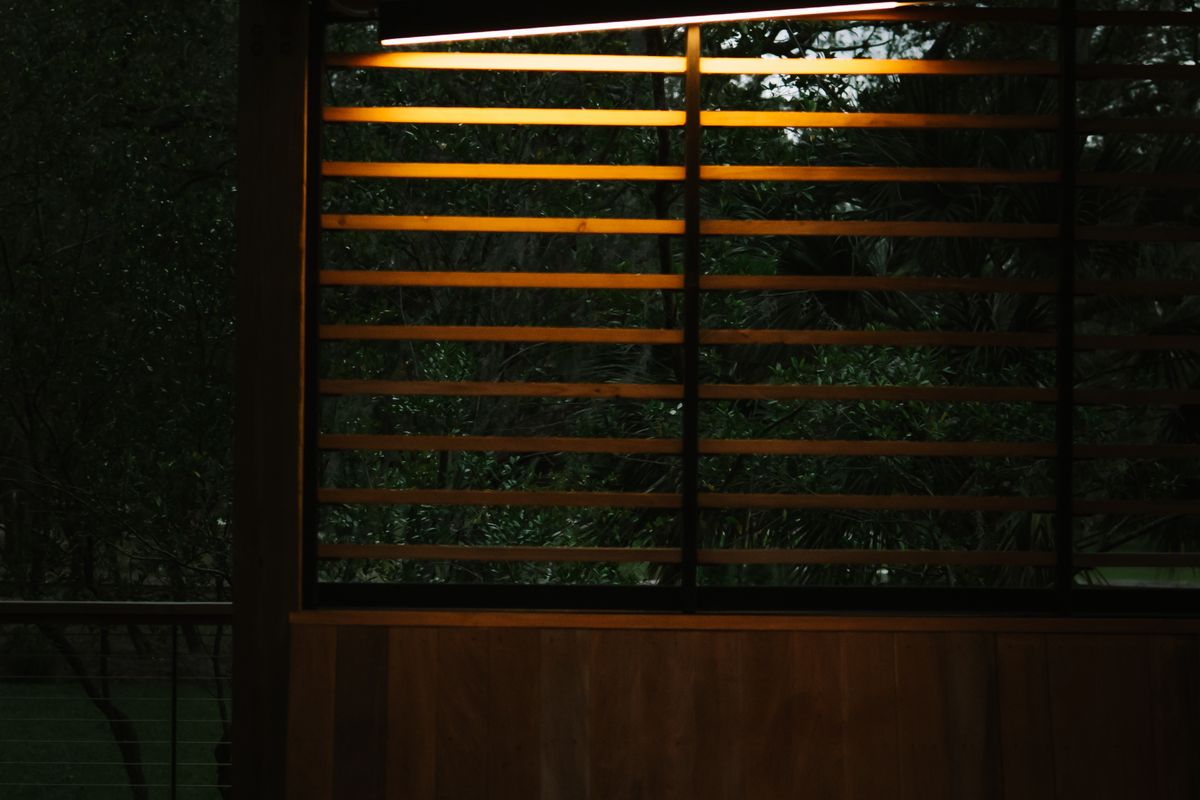
FixitPlus repairs decks, railings, fence posts, gates and exterior trim across Toronto and the GTA — replacing cupped or split boards, re-securing wobbly railings, straightening leaning posts and re-hanging dragging gates so they hold through a Canadian winter.
The outside of your home takes the full brunt of Canadian weather — freeze-thaw cycles, heavy snow loads, summer sun and driving rain — and it shows up as loose deck boards, wobbly railings, leaning fence posts, sagging gates and weather-worn trim. Left alone, these move from cosmetic to unsafe surprisingly fast: a soft deck board or a loose railing is a genuine hazard. FixitPlus repairs and rebuilds the exterior elements of your home so they’re solid, square and ready to stand up to another GTA winter.
On decks, we replace rotten, cracked and cupped boards, re-secure loose and springy sections, rebuild and reinforce railings and balusters to safe, code-minded standards, tighten and reset posts, replace stair treads, and repair the fasteners and hardware that let a deck loosen up over the years. Whether it’s a few bad boards and a wobbly rail or a deck that needs a serious refresh, we’ll make it safe underfoot and good-looking again — and tell you honestly if it’s reached the point where rebuilding beats repairing.
On fences and gates, we reset and replace leaning or heaved posts, repair and replace pickets and panels, rehang and realign sagging gates so they close and latch properly, and reinforce the hardware that keeps everything secure. A fence that leans or a gate that drags isn’t just an eyesore — it undermines privacy and security. We get posts plumb, panels straight and gates swinging and latching the way they should.
Beyond decks and fences, we handle the broader exterior repairs that keep a home tight and tidy: exterior trim and fascia repair, replacing rotten wood, re-securing loose siding and boards, exterior door adjustments, step and handrail repairs, and the exterior caulking and sealing that keeps water out. Coming from a building background, we don’t just patch the surface — we look for why something failed and fix it so it lasts. Every job is left clean, solid and safe.
What a decks, fences & exterior visit covers
Exterior work we take on:
Why GTA fences lean, gates drag and deck repairs don’t match — and what holds
Most deck repair and fence repair around Toronto comes back to three forces: frost moving the ground, water sitting where wood cannot dry, and repairs that mix materials or fasteners that do not belong together. This is the technical side of the fence post repair, gate repair and deck board replacement questions we are asked most, and where a repair turns into something that needs a permit.
Frost heave and fence post depth
Much of the GTA sits on clay and glacial till that hold water, and wet, fine soil heaves when it freezes. Frost does not only push a post up from below. It grips the sides of the post and its concrete and jacks the whole thing upward, which is why a post can rise even when its bottom is deep. Concrete that mushrooms wider at the top gives frost the most to grab. We set replacement posts deep, on a gravel base for drainage, with straight-sided concrete crowned above grade so water runs away from the wood. The right depth depends on the soil, the fence height and whether the post carries a gate, and some municipalities set requirements for new fences, so check yours.
Pressure-treated, cedar and composite don’t repair the same way
Matching a repair means more than matching colour. Deck boards come in different thicknesses depending on the species and profile, so a new board can sit proud of its neighbours and catch a toe; we shim the joist or plane the board to bring it level. Freshly treated lumber is often still wet and shrinks as it dries, so it goes down nearly tight, while kiln-dried boards get a gap. Cedar’s natural extractives react with ordinary steel and leave black streaks, so it gets stainless fasteners. Composite boards need the manufacturer’s clips or screws and its specified end gaps, because composite grows and shrinks along its length with temperature far more than wood does.
Ledgers and guards: where a repair meets the building code
Two discoveries turn a deck repair into a code question. The first is the ledger — the board fastening the deck to the house — which often comes into view only when the boards along the house come up. If it is nailed on, missing its flashing or soft along the top, re-attaching or replacing it is structural work that generally needs a building permit and, for some decks, an engineer’s design. The second is the guard. The Ontario Building Code generally requires one once a deck surface sits more than about 600 mm above the ground, and sets rules for height, baluster openings and loads. Like-for-like repairs usually do not trigger an upgrade, but a rebuilt guard is expected to meet current requirements. Your municipality has the final word, and we check before rebuilding, not after.
Gate sag and anti-sag kits
Gates sag for one of three reasons: the hinge post is leaning, the hinge screws are pulling out of soft wood, or the gate frame is racking out of square. Moving the latch down hides all three for a while. When the frame is the problem, a wood brace running from the bottom of the hinge side up to the top of the latch side pushes it back into square, and an anti-sag kit — a steel cable and turnbuckle on the opposite diagonal, from the top hinge corner down to the bottom latch corner — pulls it there and can be tightened again as the wood moves. Neither fixes a leaning post, which is reset or replaced first. Gates in a pool enclosure usually have to self-close and self-latch under municipal by-laws, so we check that hardware as well.
Rot versus weathering on fences and trim
Grey, fuzzy, checked wood is weathered: sunlight has broken down the surface fibres, and it is cosmetic. A green or black film is mildew or algae and washes off. Rot is the wood losing its strength, and on a fence it hides in predictable places — the post at grade, the top edge of a horizontal rail where water sits, the bottom of pickets touching soil or mulch, and the end grain of exterior trim behind failed caulk. We probe those spots before quoting, because a fence with sound posts and tired boards is a re-boarding job, while one with soft posts is not.
Fence by-laws and the property line
Every GTA municipality has its own fence by-law, typically covering maximum heights in front and rear yards, clear sight lines near driveways and corners, and enclosures around pools. Two things are worth knowing before fence posts are replaced. The old fence is not always on the property line — decades-old fences wander, and a survey is the reliable answer. And rebuilding a fence higher than the one it replaces, or in a new position, can bring it under current rules even if the old one was never questioned. We work to your survey and your municipality’s by-law, and we do not guess at either.
Signs it is time to call about decks, fences & exterior
Address it when:
A deck board is soft or loose
Springy, cracked or rotten boards are a safety issue — replacing them early keeps the whole deck sound.
A railing wobbles
A loose railing or baluster is a real hazard, especially on stairs and raised decks; we make it solid again.
A fence or post is leaning
Heaved and leaning posts only get worse through freeze-thaw — resetting them saves the whole fence line.
A gate drags or won’t latch
A sagging gate undermines security and privacy; realigning and re-hanging it fixes both.
What we find on fences, gates and decks that failed early
- 1Fence posts set in concrete that mushrooms out at the top, giving frost a lip to grab and jacking the post a little higher every winter.
- 2Concrete finished flush with or below the soil, so water pools where the post meets the concrete and rots it from the outside in.
- 3A sagging gate “fixed” by moving the latch down, while the hinge post keeps leaning and the gate keeps dropping.
- 4Cedar boards fastened with ordinary steel screws, leaving black streaks spreading from every fastener.
- 5Wet pressure-treated boards laid with a wide gap, which opens into a finger-width gap once the wood dries.
- 6Composite boards butted tight end to end, ignoring the manufacturer’s end gap, then buckling on the first hot afternoon.
How we handle decks, fences & exterior
How an exterior repair runs:
Inspect and diagnose
We check the structure and find why something failed — rot, movement, hardware — so the repair actually holds.
Repair or rebuild
We replace failed boards, posts, pickets and trim, and reinforce railings and connections to safe standards.
Align and secure
We get posts plumb, panels straight and gates swinging true, with solid, weather-appropriate hardware.
Seal and clean up
We seal where needed to keep water out, clear away the old material, and leave the area safe and tidy.
Decks, Fences & Exterior in Toronto, York Region, Peel & Durham
Exterior work changes with the lot. In older Toronto neighbourhoods, narrow lots, shared fences and laneway access mean materials often come through a side yard by hand, and many low rear decks have been extended or patched over decades by different owners. York Region subdivisions in Vaughan, Richmond Hill, Markham and Newmarket bring raised decks off the main floor over walk-out basements, where guards and stairs come first. Across Peel and Durham — Mississauga, Brampton, Pickering, Ajax — townhouse privacy fences between units, wood fences on heavy clay and backyard pool enclosures are all common. Condo townhouse owners should check their declaration before booking, because fences and decks there are often common elements maintained by the corporation.
Not listed? We cover the whole Greater Toronto Area.
Builder brains on every job
Built for our winters
We repair with materials and methods that stand up to GTA freeze-thaw, not a patch that fails by spring.
Safety-minded
Railings, stairs and decks are rebuilt to be genuinely solid — because these are the failures that hurt people.
We find the cause
Builders look for why a post heaved or a board rotted, and fix that too — not just the symptom.
Honest repair-vs-rebuild advice
We’ll tell you plainly when a repair makes sense and when rebuilding is the better spend.
Decks, Fences & Exterior pricing — honest and flat-rate
Exterior work is quoted by scope. Main factors:
What affects the price
How handyman quoting works in general — hourly, flat rate and day blocks compared: How much does a handyman cost in Toronto?
Deck Repair and Fence Repair in Toronto: When to Book Through the Year
Exterior work in the GTA runs on the weather. Frost in the ground, wet wood and cold sealant all change what can be done properly, so when you book decides part of the result. Here is how we think about the calendar for deck repair, fence repair and gate repair around Toronto.
Two checks before a bigger job. In most GTA municipalities, building or substantially rebuilding a deck more than about 60 cm (24 inches) above the ground needs a building permit; replacing boards generally does not, but confirm with your municipality. And a fence on the property line is usually shared, so talk to your neighbour before posts are replaced. Any new post hole needs utility locates first, which Ontario One Call arranges free of charge.
Spring: inspect early, dig later
Once the snow has gone, freeze-thaw damage shows itself — heaved posts, popped fasteners, split boards, gates that suddenly drag. Book the inspection early, and have railings and stair treads loosened by a winter of ice checked before the deck goes back into daily use. Resetting posts waits until the frost is fully out of the ground.
Early summer: repair before you stain
Replace failed boards and tighten railings before you stain or seal, not after. New pressure-treated lumber usually needs time to dry before it takes stain evenly, so book repairs well ahead of the weekend you plan to finish the deck.
Late summer to fall: posts and gates
Dry, unfrozen ground is ideal for resetting or replacing fence posts. A gate fixed in September closes properly all winter; one left sagging only drags harder once snow and ice build up beneath it.
Winter: safety work still happens
A loose stair railing or a split step is not a job to leave until spring. Railing, handrail and tread repairs can be done on dry winter days, as can fence boards knocked loose by snow clearing. New footings and staining wait for warmer weather.
Planning your decks, fences & exterior job
Written by Alan from work we do every week in GTA homes and condos:

Decks, Fences & Exterior — common questions
Yes — replacing failed boards, re-securing loose sections and rebuilding a railing are common repairs that extend a deck’s life without a full rebuild. We’ll tell you honestly if the structure underneath means a rebuild is the smarter option.
Often, yes. Depending on the post and footing, we can reset or replace individual posts and re-secure the panels, straightening the fence line without redoing the entire fence.
We do. We repair and replace boards in pressure-treated, cedar and composite decks, matching your existing material as closely as possible.
Yes. A dragging or non-latching gate usually comes down to a sagging post or worn hardware — we realign, re-hang and re-hardware it so it swings and latches cleanly.
Deep enough that frost cannot lift them, and frost in the Toronto area can reach roughly 1.2 m down. The right depth also depends on the soil, the fence height, wind exposure and whether the post carries a gate — gate posts need the most. We set posts on a gravel base with straight-sided concrete crowned above grade, so frost has less to grip and water runs off. For a new fence, check your municipality’s requirements and arrange utility locates before any digging.
For a fence on the property line, it is wise to have it, because the fence usually belongs to both of you. Replacing a few loose boards on your side is rarely an issue. Replacing posts, changing the height or style, or moving the fence affects both properties, so talk to your neighbour first and confirm where the line actually is — a survey is the reliable answer. Check your municipality’s fence by-law before any work that changes the fence.
Usually not for a repair, but usually yes for a rebuild. Tightening or replacing parts of an existing guard like-for-like is generally treated as maintenance, while rebuilding the guard or the deck is generally expected to meet the current Ontario Building Code, including guard height and baluster openings. Even where an upgrade is not required, a low railing on a raised deck is worth raising if children use it. Your municipality’s building department can confirm what applies.
Yes. Rotted brickmould, sills and trim boards are cut back to sound wood or replaced, primed on every face including the cut ends, and resealed where the trim meets the siding or brick. We also look for why it rotted — usually failed caulk, a missing drip cap, or trim sitting against soil or a roof surface — because new wood in the same conditions rots the same way. Painting the new trim can be added to the same visit.

Alan
Project Manager, FixitPlus Inc.
Scope and technical detail on this page is set by Alan, FixitPlus project manager, drawing on 20+ years of custom-home building in the GTA. Where a job legally requires a licensed trade or a permit, we say so on the page rather than in the small print.
- 20+ years of custom-home building across the GTA
- Project manager on new builds, additions and whole-home renovations
- Single point of contact on every FixitPlus job
Last reviewed
Related handyman services
All servicesReady to cross it off the list?
Send us a few details for a free, no-obligation quote — or call and we’ll talk it through. One trusted crew for repairs and renovations across the GTA.