
Plumbing Fixture Installation in Toronto & the GTA
We install and replace faucets, toilets, sinks, vanities, garburators and shut-off valves, and chase down the drips and running toilets that quietly waste water. Clean, code-aware work — and we tell you honestly when a licensed plumber is the right call.
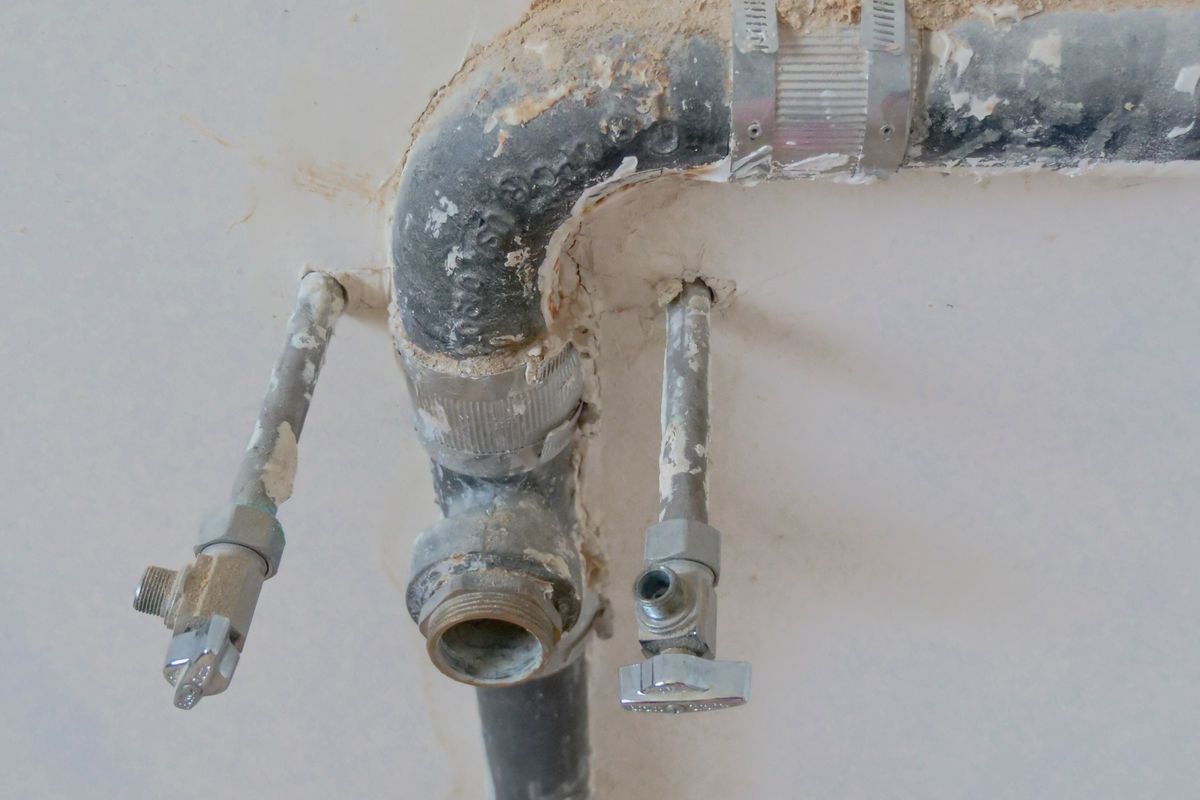
FixitPlus installs and replaces faucets, sinks, vanities, toilets, garburators and shut-off valves across Toronto and the GTA, and traces the drips and running toilets that waste water. Re-piping, gas lines, main stacks and any permit work goes to a licensed plumber.
A dripping faucet, a toilet that runs all night, or a vanity you’ve outgrown are the kind of everyday plumbing annoyances that are easy to live with and easy to put off — until the wasted water shows up on the bill or a small leak becomes a warped cabinet. FixitPlus handles the fixture-level plumbing work that keeps a home running: installing and replacing faucets, toilets, sinks, vanities, garburators and shut-off valves, and chasing down the drips and running fills that quietly cost you money.
Fixture plumbing looks simple and often is — but doing it so it never leaks takes care and the right approach. Old shut-off valves that won’t turn, corroded supply lines, mismatched connections, and worn seals all turn a “quick swap” into a call-someone job. We come prepared, replace the tired parts that cause future leaks rather than reusing them, seat everything properly, and — most importantly — test under pressure before we leave so you’re not discovering a slow drip under the sink a week later.
Typical work includes swapping kitchen and bathroom faucets, installing new toilets and repairing running or weak-flushing ones, replacing sinks and vanities as part of a refresh, installing garburators and dishwasher connections, replacing angle stops and shut-off valves, and fixing the leaks and drips that develop over time. We also install and connect fixtures during our bathroom and kitchen refreshes, coordinating the plumbing with the rest of the work so it all lands as one finished result.
We’re builders and skilled trades, and we’re also honest about where the line is. Fixture work, repairs and replacements are squarely in our wheelhouse. Anything that legally requires a licensed plumber — re-piping, moving supply and drain lines within walls, gas connections, or main-stack work — we’ll tell you plainly and either bring in or refer a licensed plumber. You get clean, reliable work on the jobs we should do, and straight advice on the ones we shouldn’t.
What a plumbing fixtures visit covers
Fixture-level plumbing we handle every week:
Leaks start in the parts nobody shops for
The faucet, toilet or vanity you picked is the easy part of a plumbing fixture installation in Toronto. Leaks come from the parts nobody shops for — the shut-off valve, the supply line, the trap and the seal under the toilet — and those are exactly where a 1950s bungalow and a five-year-old condo differ most. That is where our attention goes on every faucet installation and toilet installation we take on.
Shut-off valves: multi-turn or quarter-turn
Many older GTA homes still have multi-turn compression stops, the round handle you crank several times. Inside is a rubber washer that hardens after years without moving, so the valve either won’t close fully or starts weeping at the stem the moment it’s turned. Quarter-turn ball valves close with one short rotation and cope with long periods of disuse far better. When a valve fights back, we shut the water off at the main and replace it rather than forcing it — a snapped stem under a sink is a much bigger job than the faucet we came for.
Supply lines are replaced, never reused
Old connections turn up in every form: rigid chrome risers bent to fit, plastic lines gone brittle, and braided lines that have sat under a sink since the house was built. Every swap gets new braided stainless connectors of the right length and thread. A line that is too short ends up stretched tight and strains the fitting; one far too long gets kinked to fit the cabinet. Both are leaks waiting for a pressure spike.
The P-trap has to meet the drain squarely
The trap arm coming out of the wall is the fixed point. A new sink or vanity almost always moves the tailpiece, so the trap is cut and refitted to meet that arm squarely, with each slip-joint washer seated straight. A trap forced sideways, or extended with stacked pieces until it reaches, drips the first time a full basin drains. If the new basin sits so low that its outlet falls below the trap arm, the honest fix is lowering the drain inside the wall, and that is a licensed plumber’s job.
Toilets: the seal, the flange and the new floor height
A wax ring is single-use. Once a toilet has been lifted, or has rocked on it, the seal is compromised and has to be replaced. Waxless rubber or foam seals can be repositioned and forgive small height differences, but only when matched to the flange. The flange itself should sit at or slightly above the finished floor; after new tile goes down it often ends up below it. Rather than stacking wax rings, we raise the flange with a proper spacer kit, then shim the bowl so it sits solid and level.
Vanity installation on walls that aren’t plumb
Few bathroom walls in the GTA are perfectly plumb, and floors often dip around the toilet and tub. A vanity pushed against a leaning wall leaves a tapered gap at the backsplash and puts a stone top under strain. We shim the cabinet level on the floor, scribe the back or side to the wall where needed, fasten it into the studs through the back rail, and only then set the top so it bears evenly along its full length.
Kitchen faucet replacement happens under the sink
Most of a kitchen faucet replacement is done lying on your back inside the cabinet. Original mounting nuts are often corroded onto the shank, double sinks leave very little room to reach them, and a pull-down sprayer needs a clear path for its hose and counterweight past the garburator and the garbage bin. Touchless models add a battery pack or power adapter that needs a dry spot in the cabinet; if one needs an outlet that isn’t there, a licensed electrician adds it first.
Signs it is time to call about plumbing fixtures
Worth a call when you notice:
A drip that won’t quit
A dripping faucet or running toilet wastes a surprising amount of water — and usually means a worn part that’s cheap to replace now.
Water under the sink
Dampness or staining in the cabinet points to a failing connection or seal that should be dealt with before it spreads.
You’re updating a fixture
New faucet, toilet or vanity? We’ll install it cleanly and replace the tired valves and lines while we’re in there.
Valves that won’t turn
Seized shut-offs are a problem waiting to happen — replacing them means you can actually isolate water when you need to.
The plumbing fixture mistakes we get called to fix
- 1Compression nuts cranked down until the brass ferrule deforms or a plastic coupling nut cracks — a slow drip that only shows itself days later as a swollen cabinet floor.
- 2Two wax rings stacked under a toilet to make up for new tile. They squash unevenly and leak into the subfloor without ever showing on the surface.
- 3Plumber’s putty under the drain of a natural stone or composite sink, which can leave a permanent oily ring. Those sinks need the sealant their manufacturer specifies.
- 4A corrugated flexible trap used to bridge a misaligned drain. Its ridges catch hair and grease, and it hides an alignment problem that properly cut pipe would have solved.
- 5A new dishwasher hooked up to a new garburator without knocking out the plug in the garburator’s dishwasher inlet, so the dishwasher backs up on its first run.
- 6Toilet bolts tightened unevenly until the porcelain cracks at the base, sometimes weeks after the install.
How we handle plumbing fixtures
How we keep fixture work clean and leak-free:
Isolate and protect
We shut off and confirm the water is isolated, then protect the cabinet and floor before opening any connection.
Remove and inspect
We take out the old fixture and check the valves, supply lines and seals — replacing the worn parts that cause future leaks.
Install and seal
We fit the new fixture, make clean connections with fresh lines and proper seals, and set it securely.
Pressure-test and tidy
We turn the water back on, test under pressure, watch for any drip, and clean up before we go.
Plumbing Fixtures in Toronto, York Region, Peel & Durham
Housing stock changes fixture work more than the fixture does. In older Toronto houses, from pre-war semis to post-war bungalows, expect original multi-turn shut-offs, some galvanized supply pipe and drains in unexpected places; when the pipe behind the valve is the problem, that part goes to a licensed plumber. Toronto condos put suite shut-offs behind access panels, sometimes need management to isolate a riser, and turn any leak into a problem for the suite below as well. York Region subdivisions in Vaughan, Richmond Hill, Markham, Newmarket and Aurora are usually straightforward swaps on standard rough-ins, with builder-grade valves now old enough to be worth replacing while the cabinet is open. In Peel and Durham, from the 1970s back-splits of Mississauga to newer homes in Brampton, Ajax and Pickering, basement apartments and extra bathrooms mean more fixtures per house — and more reason to make sure every shut-off actually works.
Not listed? We cover the whole Greater Toronto Area.
Builder brains on every job
Leak-free, tested work
We pressure-test every connection before we leave — no slow drips discovered a week later.
We replace the weak links
Old valves, lines and seals get renewed rather than reused, so the fix actually lasts.
Honest about the line
Anything needing a licensed plumber, we tell you plainly and bring in the right pro — no risky shortcuts.
Clean and considerate
Cabinets and floors are protected, and we clean up completely when the job’s done.
Plumbing Fixtures pricing — honest and flat-rate
Most fixture jobs are a flat rate quoted up front. Price factors include:
What affects the price
How handyman quoting works in general — hourly, flat rate and day blocks compared: How much does a handyman cost in Toronto?
Fixtures that fit: plumbing fixture installation in Toronto homes and condos
The quickest faucet replacement or toilet installation is the one where the new fixture matches what’s already in the wall, the floor and the counter. When a fixture job stalls, it usually traces back to one measurement nobody took before buying. Check these first, or send photos and we’ll check them for you.
One honest limit: if the fixture you love only works with a drain or supply line moved inside the wall, that part is re-piping and goes to a licensed plumber. We’ll tell you before you buy, bring in or refer the plumber, and install the fixture once the rough-in is right.
Faucets: count the holes
Bathroom sinks are drilled for a single-hole faucet, a 4-inch centreset or an 8-inch widespread. Kitchen sinks may have extra holes for a sprayer or soap dispenser. A deck plate can hide a spare hole, but a quartz or granite counter can’t easily gain one — buy to match what’s there.
Toilets: measure the rough-in
Measure from the finished wall, not the baseboard, to the centre of the floor bolts. Twelve inches is standard; older Toronto homes sometimes have 10 or 14. In a tight powder room, a round bowl rather than an elongated one may be what lets the door close.
Vanities: note where the pipes leave the wall
Before a vanity installation, measure width and depth and photograph where the drain and supply lines come out. Drawers or a full back panel can collide with them — usually solved by trimming the cabinet, not moving pipes.
Garburators: check for power
A garburator needs an outlet or switched supply under the sink. If there isn’t one, adding it is licensed electrical work, so check before you buy.
Condos: find your shut-offs first
Suite shut-offs often sit behind an access panel, and some jobs need management to isolate a riser at a booked time. A leak reaches the suite below, so check your condo’s rules on notice and approved parts before the day.
Planning your plumbing fixtures job
Written by Alan from work we do every week in GTA homes and condos:


Plumbing Fixtures — common questions
We handle fixture-level plumbing — faucets, toilets, sinks, vanities, valves and the leaks that come with them — which doesn’t require a plumbing licence. For permitted work like re-piping, moving lines in walls, or gas connections, we bring in or refer a licensed plumber. We’ll always tell you which category your job falls into.
Yes, we can supply and install, or fit a fixture you’ve already bought. If you’re choosing your own, we’re happy to point you toward reliable models before your appointment.
Usually not. A running toilet is almost always a worn flapper, fill valve or seal — inexpensive parts we can replace quickly, saving you a surprising amount on your water bill.
Yes. Seized valves are common and worth replacing so you can actually isolate water to a fixture. We’ll swap them as part of the job or on their own.
Yes — a toilet that rocks has usually already broken its wax seal, and every movement widens the gap. Water can then seep into the subfloor for months without showing on the surface. We lift the toilet, check the flange and the floor beneath it, fit a new seal, shim the bowl solid and re-set it with even bolt pressure. If the subfloor has gone soft, we show you before going any further.
Yes, both are routine kitchen faucet replacements for us. Pull-down models need clear space under the sink for the hose to travel and its counterweight to drop, so we check the run past the garburator and the bin. Touchless faucets run on batteries or a plug-in adapter. Battery models need nothing extra; a plug-in model needs an outlet under the sink, and if there isn’t one, a licensed electrician adds it before installation day.
Close the shut-off valve under that fixture first; if it won’t turn or the leak is upstream of it, close the main shut-off where the water service enters the house, usually in the basement on the street-facing wall. In a condo, call management or security right away, since riser valves are often in locked rooms. Then mop up, move valuables clear and call us — we replace the failed line, and the valve too if it played a part.
Yes, in most cases, but we leave a short gap at the back. Caulking the base keeps mop water and splashes from running under the toilet and helps hold it steady on tile. The gap matters: if the seal under the toilet ever fails, water shows up at the back where you can see it, instead of soaking quietly into the subfloor. Where a toilet manufacturer’s instructions say otherwise, those come first.
For work that requires a licensed plumbing permit (re-piping, gas lines, main stacks) we’ll bring in or refer a licensed plumber — never a shortcut.

Alan
Project Manager, FixitPlus Inc.
Scope and technical detail on this page is set by Alan, FixitPlus project manager, drawing on 20+ years of custom-home building in the GTA. Where a job legally requires a licensed trade or a permit, we say so on the page rather than in the small print.
- 20+ years of custom-home building across the GTA
- Project manager on new builds, additions and whole-home renovations
- Single point of contact on every FixitPlus job
Last reviewed
Related handyman services
All servicesReady to cross it off the list?
Send us a few details for a free, no-obligation quote — or call and we’ll talk it through. One trusted crew for repairs and renovations across the GTA.