
Electrical & Lighting Work in Toronto & the GTA
Swapping a light fixture, adding a dimmer, hanging a chandelier or replacing a tired ceiling fan? We handle straightforward electrical work cleanly and safely — and flag anything that needs a licensed electrician and ESA permit before we touch it.
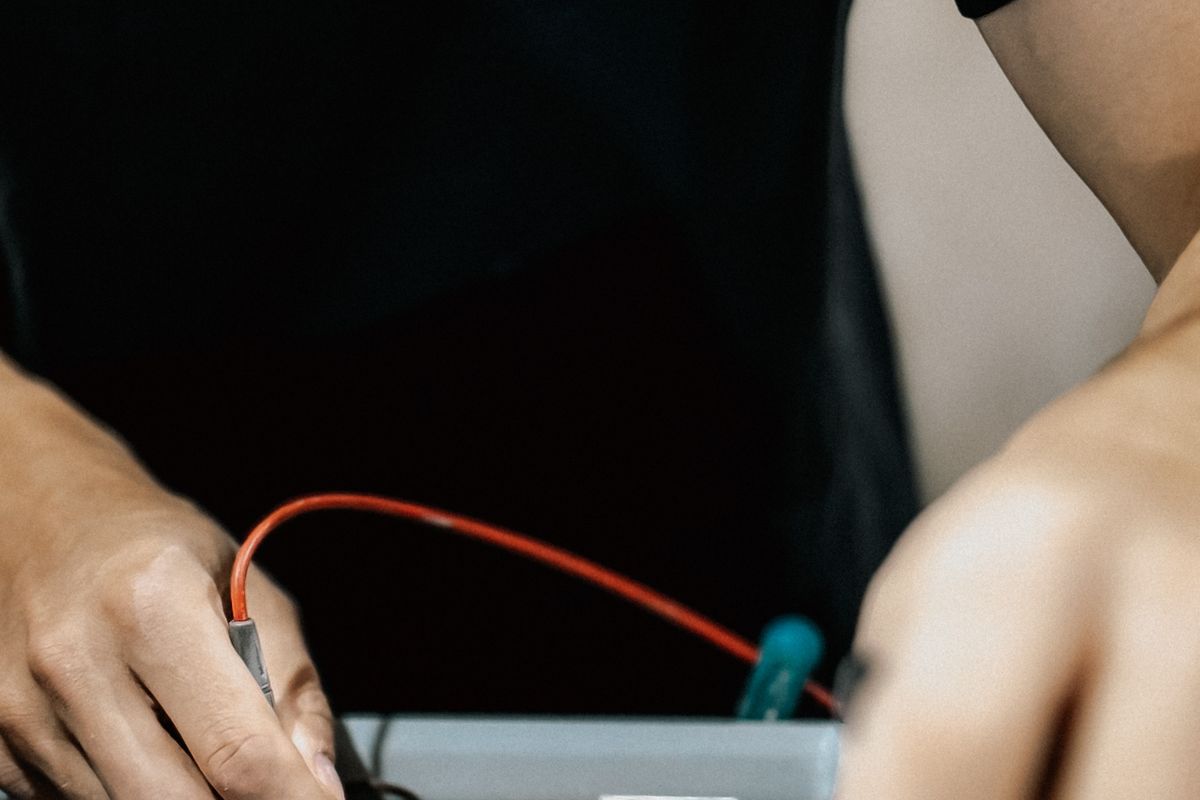
FixitPlus installs and replaces light fixtures, pendants, chandeliers, pot lights, dimmers, switches and ceiling fans on existing circuits across Toronto and the GTA. Work requiring an ESA permit, a new circuit or panel changes is carried out or referred to a licensed electrician — we never do permit work quietly.
The right lighting quietly changes how a home feels — a dimmable fixture over the dining table, pot lights that brighten a dim kitchen, a statement chandelier in the entry, or a quiet, efficient ceiling fan in the bedroom. FixitPlus handles the straightforward electrical and lighting work that makes those upgrades happen: installing and replacing light fixtures, switches, dimmers and fans, and swapping out the tired or failed pieces that make a room feel dated. Clean, safe work — and honest guidance about what needs a licensed electrician.
Everyday fixture and device work is squarely in our wheelhouse. We replace light fixtures of every kind, hang chandeliers and pendants (including on high ceilings and stairwells), install and replace ceiling fans with proper fan-rated support, swap switches and outlets on a like-for-like basis, add dimmers, and replace failed fixtures with new energy-efficient LED options. If your goal is a brighter kitchen, a cozier living room, or simply getting rid of that builder-basic fixture, we can make it happen cleanly and safely.
Safety is not negotiable, and it’s where our builder background matters. We de-energize and verify circuits before we touch them, support fixtures and fans from the correct rated boxes, make solid connections, and leave everything neat inside the box and out. We won’t leave you with a wobbling fan on an unrated box or a fixture hung off a connection that was never meant to carry it — the shortcuts that cause problems down the road.
Just as importantly, we know exactly where our work stops and a licensed electrician’s begins. New circuits, panel and breaker work, rewiring, and anything that requires an ESA permit and inspection are handled by a licensed electrician — full stop. For that class of work we’ll either bring in our licensed partner or refer you to one, so it’s done to code and properly documented. You get clean fixture and lighting work from us, and the right professional for anything beyond it.
What a electrical & lighting visit covers
Fixture and device work we handle safely:
Where the line sits between a fixture swap and licensed electrical work
This is the page where being explicit matters most. There is real, useful electrical work a handyman can and should do, and there is work that legally requires a licensed electrical contractor and an ESA permit. We work strictly on one side of that line and tell you plainly when a job sits on the other.
What we handle: swaps on existing circuits
Replacing a light fixture, pendant, chandelier or ceiling fan on an existing, correctly rated box. Swapping switches, dimmers and receptacle covers. Replacing pot-light trims and dead LED modules. Re-hanging a fixture that was never properly supported. All of this is like-for-like work on wiring that already exists and was already inspected.
Ceiling fans need a fan-rated box
A standard light-fixture box is not rated for the dynamic load of a spinning fan. If yours is on a standard box, the right answer is a fan-rated box, and depending on access that can mean opening the ceiling. We will tell you what your box is before we hang anything from it.
Dimmers are a compatibility question
Most modern dimmer complaints — buzzing, flicker, a narrow dimming range, lights that glow faintly when off — are a mismatch between an LED load and a dimmer designed for incandescent, or a neutral the dimmer needs and does not have. We match the dimmer to the load rather than swapping like for like and hoping.
Two-storey foyer and stairwell fixtures
Common in Vaughan, Richmond Hill and Markham homes and a genuine access job rather than a ladder job. Heavy chandeliers at height need the right equipment, the right support at the box, and often two people. It is routine for us and a frequent source of homeowner injury when it is not.
What goes to a licensed electrician — always
New circuits. Panel work and breaker changes. Anything requiring an ESA permit and inspection. Aluminium wiring remediation. Knob-and-tube found in an older home. Anything where opening a junction box reveals scorching, undersized conductors, or connections that were never made properly. We stop, tell you what we found, and bring in or refer a licensed electrician. Unpermitted electrical work is a resale and insurance problem long after it is an electrical one.
Signs it is time to call about electrical & lighting
Bring us in when:
A room feels dim or dated
New fixtures, brighter LEDs or added lighting transform how a space looks and works — an easy, high-impact upgrade.
A fixture or fan has failed
A dead fixture or a wobbling fan on the wrong box should be replaced and supported properly, not nursed along.
You want dimmers or better control
Adding dimmers and swapping switches gives you control over the mood and function of every room.
You’re refreshing a room
Updating the lighting alongside paint and fixtures ties a whole refresh together for a finished result.
What we find when we open old fixture boxes
- 1A ceiling fan hung from a box rated only for a light fixture — the most common unsafe install we see.
- 2Wire nuts loose or absent, with conductors twisted together and taped. Heat, then eventually a scorch mark.
- 3Backstabbed receptacles in high-draw locations working loose over years, producing intermittent power and heat.
- 4LED bulbs on an incandescent dimmer, blamed on the bulbs, caused by the dimmer.
- 5A new circuit run by a previous owner without a permit, discovered by a home inspector at the worst possible moment.
How we handle electrical & lighting
Our approach to safe, tidy electrical work:
De-energize and verify
We turn off the circuit at the panel and confirm the power is off before we open anything up.
Check the support and box
We make sure fixtures and fans are supported from the correct rated boxes — adding proper support where needed.
Install and connect
We fit the new fixture or device, make solid, code-aware connections, and keep everything neat inside the box.
Restore and test
We restore power, test switches, dimming and operation, and confirm everything works before cleanup.
Electrical & Lighting in Toronto, York Region, Peel & Durham
Older Toronto, Woodbridge and Unionville homes are where we most often find knob-and-tube remnants, undersized boxes and previous work that needs a licensed electrician rather than a fixture swap. Newer Vaughan, Markham and Oak Ridges builds are usually straightforward like-for-like swaps, with two-storey foyer chandeliers as the main access challenge. Condos add building rules about drilling and work hours. In every case, permit work goes to a licensed electrical contractor.
Not listed? We cover the whole Greater Toronto Area.
Builder brains on every job
Safety first, always
Circuits de-energized and verified, fixtures on rated boxes, connections done right — no shortcuts.
Clear about the line
New circuits, panels and permitted work go to a licensed electrician — we’ll arrange or refer, never wing it.
High-ceiling capable
Chandeliers and fixtures on tall foyer and stairwell ceilings are no problem with the right equipment.
Clean finish
Neat boxes, level fixtures and a tidied-up space every time.
Electrical & Lighting pricing — honest and flat-rate
Fixture and device work is typically a flat rate. What affects it:
What affects the price
How handyman quoting works in general — hourly, flat rate and day blocks compared: How much does a handyman cost in Toronto?
Choosing a fixture before your light fixture installation in Toronto
Most delays on a light fixture installation start in the store, not on the ceiling. A chandelier too heavy for its box, a vanity light not rated for a bathroom, or a pot light that needs wiring the ceiling doesn’t have — each one stalls the visit. A few checks before you buy avoid all three.
Send us the product link or spec sheet with your enquiry and we’ll confirm it suits your ceiling, your box and your room before you commit.
A Canadian certification mark
Look on the fixture or its packaging for a recognized mark such as CSA, cUL or cETL. Fixtures from overseas online marketplaces sometimes carry none, which is a safety and insurance problem. We flag that before installing, not after.
Weight, and what it hangs from
A heavy chandelier needs a box and support rated for its weight, so note the weight on the spec sheet. For chandelier installation on a two-storey foyer ceiling, it also tells us what access equipment to bring.
Size and hanging height
Over a dining table, the bottom of a chandelier or pendant typically sits around 30 to 36 inches above the tabletop. In basements and older Toronto homes with low ceilings, a flush or semi-flush fixture keeps heads clear of glass.
Colour temperature and LED type
Keep colour temperature consistent within a room; mixing warm and cool fixtures is why many new kitchens look slightly off. Integrated-LED fixtures are slim, but when the LED fails the whole fixture usually goes — bulb-based fixtures can be serviced.
Bathrooms, condos and new pot lights
Near a tub or shower, choose a fixture rated for damp or wet locations. In a condo, a box set in a concrete ceiling stays where it is — relocating it is new wiring. So is cutting in new pot lights. Both go to a licensed electrician under an ESA permit, and we can take care of the patching and paint afterwards.
Planning your electrical & lighting job
Written by Alan from work we do every week in GTA homes and condos:
Electrical & Lighting — common questions
We handle like-for-like fixture and device work — fixtures, fans, dimmers, switches and outlets — which is within what a skilled handyman can safely do. New circuits, panel work, rewiring and anything needing an ESA permit are done by a licensed electrician we bring in or refer. We’ll always tell you which your job is.
Yes. High-ceiling and stairwell installs are common for us — we have the equipment to do them safely and make sure the fixture is supported from a proper rated box.
If the existing box is fan-rated or can be upgraded to one, yes. If it needs an unusual amount of new wiring, that may cross into licensed-electrician territory, and we’ll let you know before we start.
Absolutely. A wobbling fan almost always comes down to a box that isn’t fan-rated. We install the correct rated support so it runs smooth and stays put.
We quote fixture installation flat-rate before starting. The variables are how many fixtures, ceiling height (a two-storey foyer chandelier is a different job from a bedroom flush mount), whether the existing box is correctly rated, and whether any switch or dimmer work is included. Several fixtures in one visit costs much less per fixture than separate call-outs.
For like-for-like work on an existing circuit — replacing a fixture, a switch, a dimmer, a ceiling fan on a fan-rated box — a competent handyman is appropriate and that is work we do every week. For a new circuit, panel work, anything needing an ESA permit and inspection, or anything where we open a box and find unsafe existing work, you need a licensed electrical contractor. We will tell you which category your job falls into before quoting, and refer you if it is the second.
We replace pot-light trims and failed LED modules, and swap existing pot lights, as standard handyman work. Cutting in new pot lights that require new wiring and a new circuit is licensed electrical work with an ESA permit — we will arrange or refer a licensed electrician for that part and can handle the drywall repair and painting afterwards ourselves.
New circuits, panel work and anything requiring an ESA permit are handled by a licensed electrician — safety and code come first, always.

Alan
Project Manager, FixitPlus Inc.
Scope and technical detail on this page is set by Alan, FixitPlus project manager, drawing on 20+ years of custom-home building in the GTA. Where a job legally requires a licensed trade or a permit, we say so on the page rather than in the small print.
- 20+ years of custom-home building across the GTA
- Project manager on new builds, additions and whole-home renovations
- Single point of contact on every FixitPlus job
Last reviewed
Related handyman services
All servicesReady to cross it off the list?
Send us a few details for a free, no-obligation quote — or call and we’ll talk it through. One trusted crew for repairs and renovations across the GTA.